What Is Bitcoin? A Plain-English Beginner's Guide
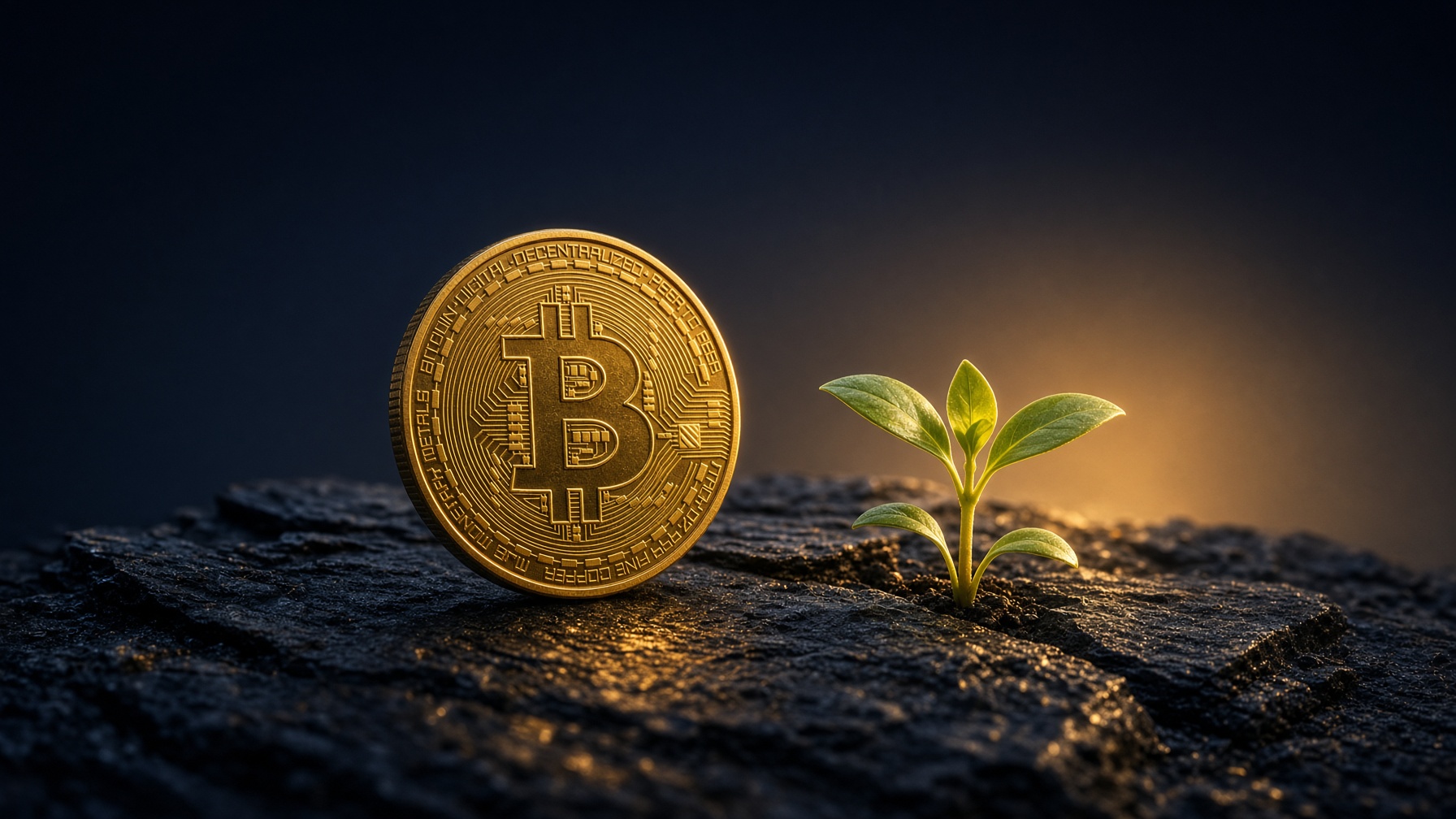
Bitcoin is a kind of money that lives entirely on the internet and is run by no company, no bank, and no government. It was introduced in 2008 by a person (or group) writing under the name Satoshi Nakamoto, and it launched in early 2009 with a simple idea: people should be able to send value to each other directly, the way you hand someone cash, without asking a bank for permission.
How it works, in one paragraph
Every Bitcoin transaction is recorded in a public ledger called the blockchain — think of it as a giant receipt book that thousands of computers around the world all keep a copy of. When you send bitcoin, the network checks the receipt book to confirm the coins are really yours, then writes the new entry in permanent ink. No single office can alter the book, because thousands of independent copies would disagree. Computers called miners do the work of adding new pages (blocks) to the book, competing to solve a hard math puzzle; the winner is paid in newly created bitcoin. That competition is what keeps the ledger honest.
Why people call it scarce
Bitcoin's code caps the total supply at 21 million coins, forever. Roughly every four years, the amount of new bitcoin paid to miners is cut in half — an event called the halving — so new supply keeps shrinking until the last fraction of a coin is mined around the year 2140. Supporters argue this built-in scarcity, like gold's, is what makes Bitcoin a store of value. Critics answer that scarcity alone doesn't create value — demand does. Both are worth hearing; the honest summary is that Bitcoin is worth what buyers will pay, and that price swings hard in both directions.
What people actually do with it
Most holders today treat Bitcoin as a long-term savings asset — "digital gold" — rather than spending money. Some use it to send value across borders. A smaller number spend it where it's accepted. And through regulated funds (spot Bitcoin ETFs, approved in the U.S. in 2024), many people now hold Bitcoin exposure inside ordinary brokerage and retirement accounts without touching a crypto exchange at all.
Before you buy a single satoshi
A satoshi is the smallest unit of Bitcoin — one hundred millionth of a coin — so you can buy a few dollars' worth; you never need to buy a whole coin. But understand the risks plainly: Bitcoin's price has repeatedly fallen 50% or more and stayed down for long stretches; exchanges have failed and taken customer funds with them; and if you hold your own keys and lose them, there is no password reset and no one to call. Learn how wallets work (our next guide) before you learn how buying works.
Nothing here is financial advice — it's an explainer. Crypto is volatile and high-risk; never put in money you cannot afford to lose.
📬 Get The Weekly Pulse — free
One email every Sunday: the week's biggest crypto stories in plain English, what to watch next, and one guide to sharpen you up. Tick the alerts box if you also want an invite when our free daily mobile alert channel opens.
Free forever. Unsubscribe anytime. Never sold, never spammy, never financial advice.